PIT on Pace to Set Record for Flight Diversions in 2026
Pittsburgh’s strategic location and runway capacity help airlines manage disruptions at airports across the Northeast
By Daniel Lagiovane
Published October 26, 2026
Read Time: 4 mins
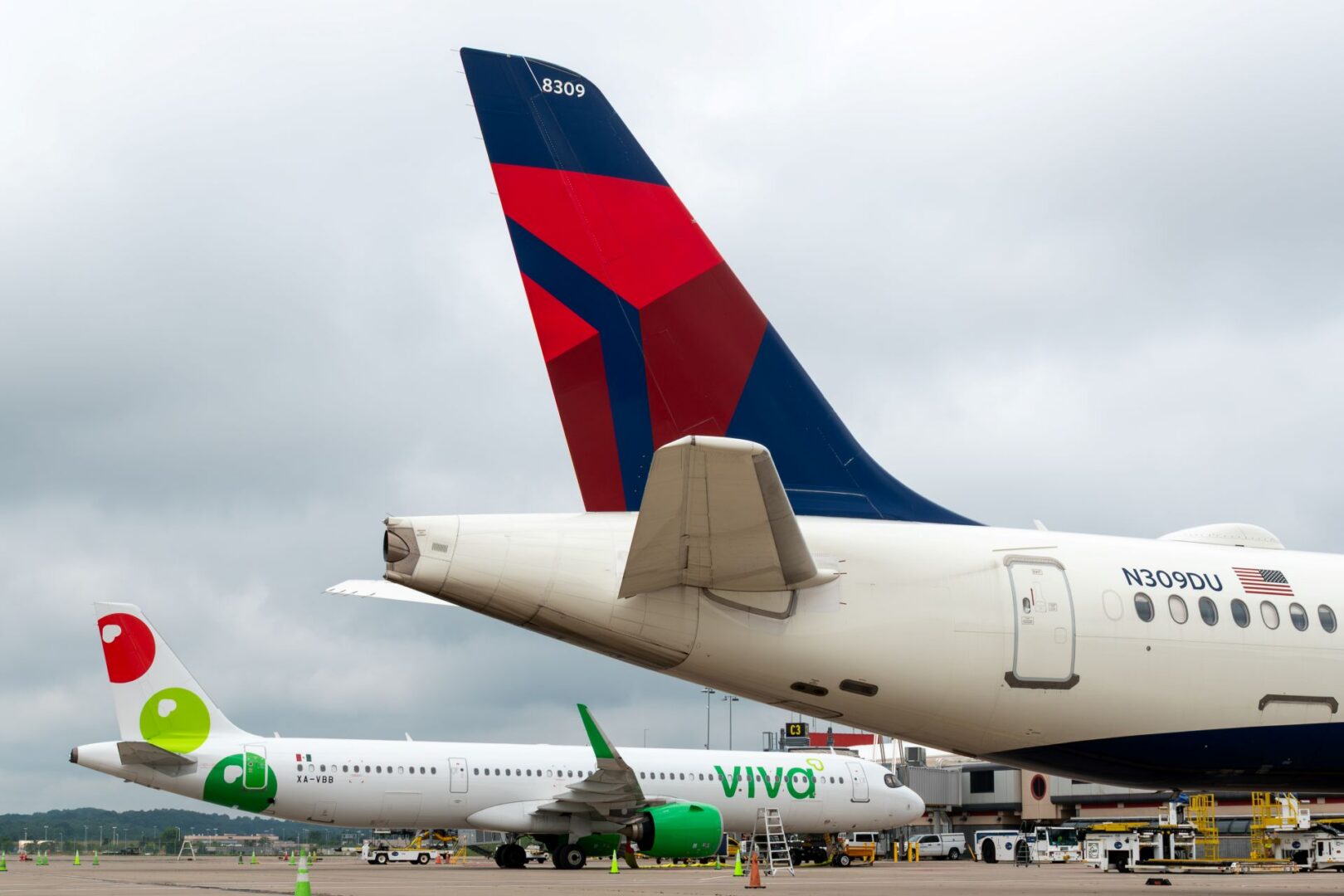
Pittsburgh International Airport is on pace for a record year of flight diversions in 2026 as persistent severe weather, air traffic congestion and technical disruptions across the East Coast have driven a surge in diversions. The challenges have been particularly pronounced in the New York and Washington, D.C. regions, where recurring operational constraints and a major September communications outage triggered widespread disruptions, including hundreds of diversions in a single day.
As these challenges continue to affect the nation’s airspace, PIT’s location and ability to accommodate diverted aircraft have made it an important alternative for airlines seeking to keep operations moving when conditions deteriorate elsewhere.
Through October 19, PIT has accommodated 430 diverted aircraft, putting the airport on pace to surpass its 2018 annual record of 463 diversions. PIT recorded 443 diversions in 2025. About 45 percent of the diversions in 2026 originated from the three New York City-area airports—John F. Kennedy International Airport (JFK), LaGuardia Airport (LGA), and Newark Liberty International Airport (EWR)—and Ronald Reagan Washington National Airport (DCA).
Nationally, flight diversions have also reached record levels. According to the U.S. Bureau of Transportation Statistics (BTS), 21,106 domestic airline flights in 2025 landed at an airport other than their intended destination — approximately one in every 367 scheduled flights. This is the highest annual diversion rate in the agency’s delay-cause data series, which dates to 2003.
The trend continues into 2026. From January through July, 14,308 domestic flights were diverted, representing 0.314 percent of scheduled flights, compared with 0.301 percent during the same period in 2025.
July 2026 set a record with 3,615 diversions, or 0.518 percent of scheduled flights. Both the number of diversions and the rate set monthly records in the BTS data series, surpassing the previous rate record of 0.483 percent set in July 2025.
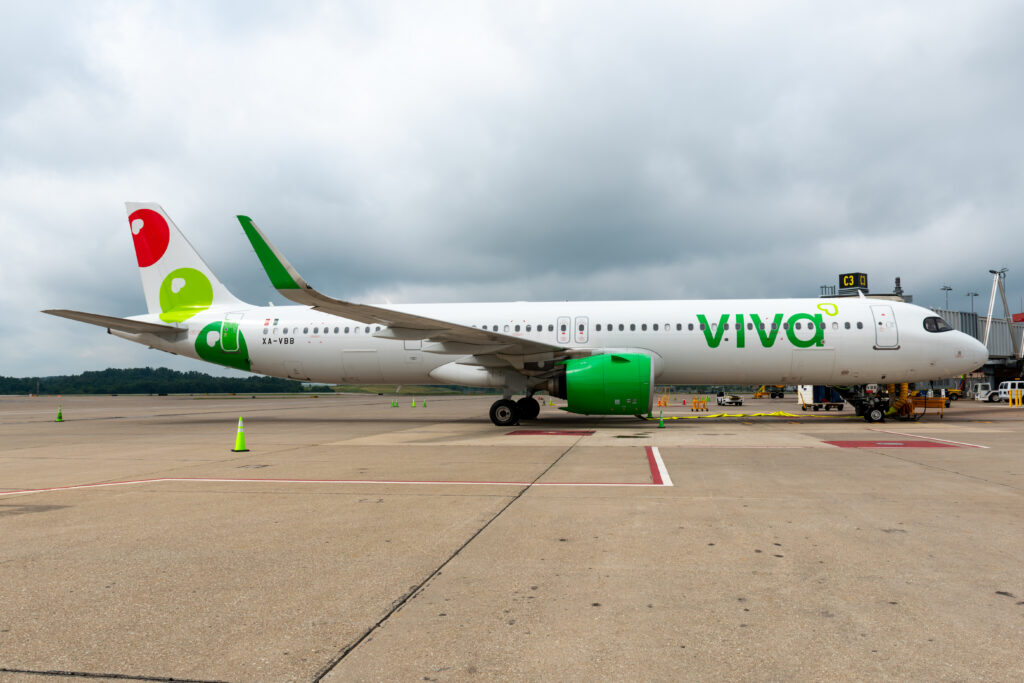
A Viva Airbus A321neo sits parked at the gate at PIT on July 6, 2026. The aircraft diverted from New York-JFK the night prior due to severe storms in the northeastern U.S. (Photo by Evan Dougherty)
Summer historically experiences the most diversions. BTS data from 2015 through 2025 show that July had the highest average monthly diversion rate at 0.351 percent, while November had the lowest at 0.162 percent. Across June, July and August, the diversion rate averaged 0.330 percent — nearly twice the 0.172 percent rate recorded during the autumn months.
Although BTS does not track the reason for each diversion, the seasonal pattern coincides with summer thunderstorms, which can disrupt flight schedules and reduce airport capacity. Additionally, summer is a peak travel period, adding to air traffic congestion. Technical disruptions can also cause major outages; for example, a New Jersey construction crew severed a backup fiber-optic cable in September, triggering a major FAA communications outage that caused cancellations and delays across the Northeast.
For passengers, a diversion can mean an unexpected landing in an unfamiliar city, missed connections and hours of additional travel. For airlines, it requires finding a suitable airport that can safely accommodate an aircraft and its passengers while crews and operations teams determine next steps.
As the national aviation system continues to face these challenges, PIT plays an important role in supporting airlines and the nation’s aviation system. It serves as an accessible, reliable option for flights that must divert from their intended destinations.
With its strategic location in the Northeast, extensive runway infrastructure and capacity to accommodate additional aircraft, PIT offers airlines a viable alternative when severe weather, air traffic congestion or operational disruptions affect other airports. Its ability to handle diverted flights helps airlines respond to unexpected challenges while maintaining safe and efficient operations.
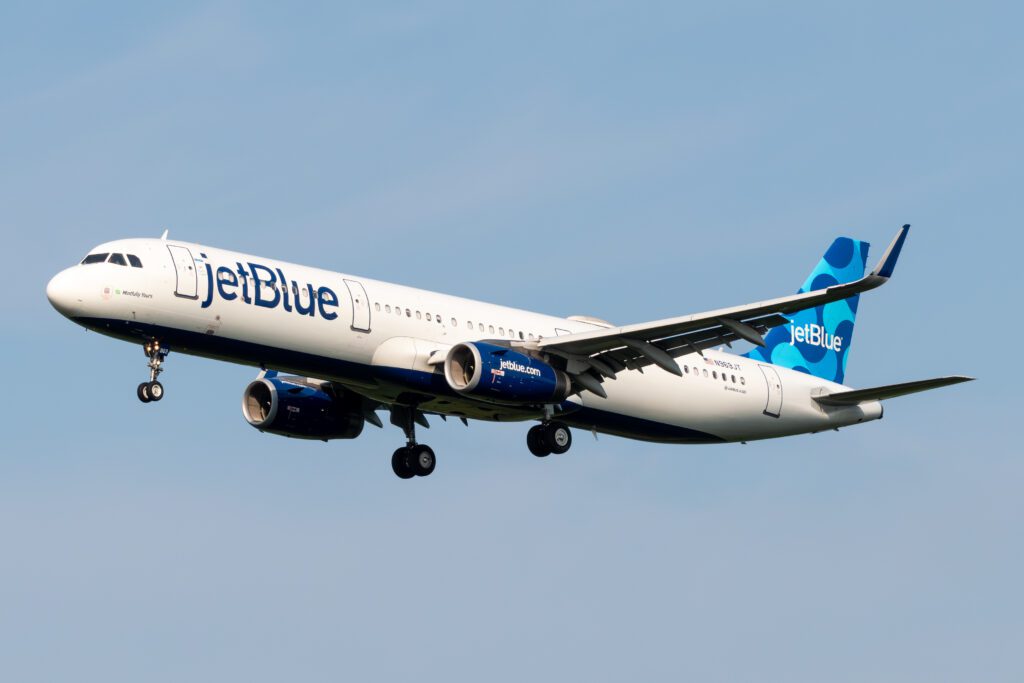
A JetBlue Airbus A321 arrives at PIT from New York-JFK as a weather diversion on July 15, 2026. (Photo by Evan Dougherty)
By accommodating diversions, PIT also helps ease pressure on congested airports and supports the broader flow of air traffic during disruptions. The airport works with airline partners, air traffic control and other aviation stakeholders to accommodate arriving aircraft and support passengers’ and crews’ needs.
While diversions can create additional demands on airport operations, PIT’s ability to serve as a dependable alternative helps strengthen the resilience of the national air transportation system when conditions disrupt normal flight schedules.
“Flight diversions are an important part of the aviation system, and PIT is well-positioned to help when weather, congestion or other disruptions affect operations elsewhere,” said Jim Moorhead, Vice President of Airport Operations, Allegheny County Airport Authority. “Our team works closely with airline partners and air traffic control to safely accommodate diverted aircraft and support passengers and crews. While these situations can be challenging, our infrastructure, available capacity and experienced operations team allow us to respond when airlines need an alternative and help keep the broader aviation system moving.”
Source: U.S. Bureau of Transportation Statistics, Airline On-Time Statistics and Delay Causes, 2026. U.S. Bureau of Transportation Statistics, Airline On-Time Statistics and Delay Causes, 2025.