Carnegie International Travelers Will Be Welcomed by Airport Art Installations
While region hosts one of the world’s premier art shows, arriving visitors will experience PIT’s Art in the Airport
By Daniel Lagiovane
Published June 8, 2026
Read Time: 3 mins
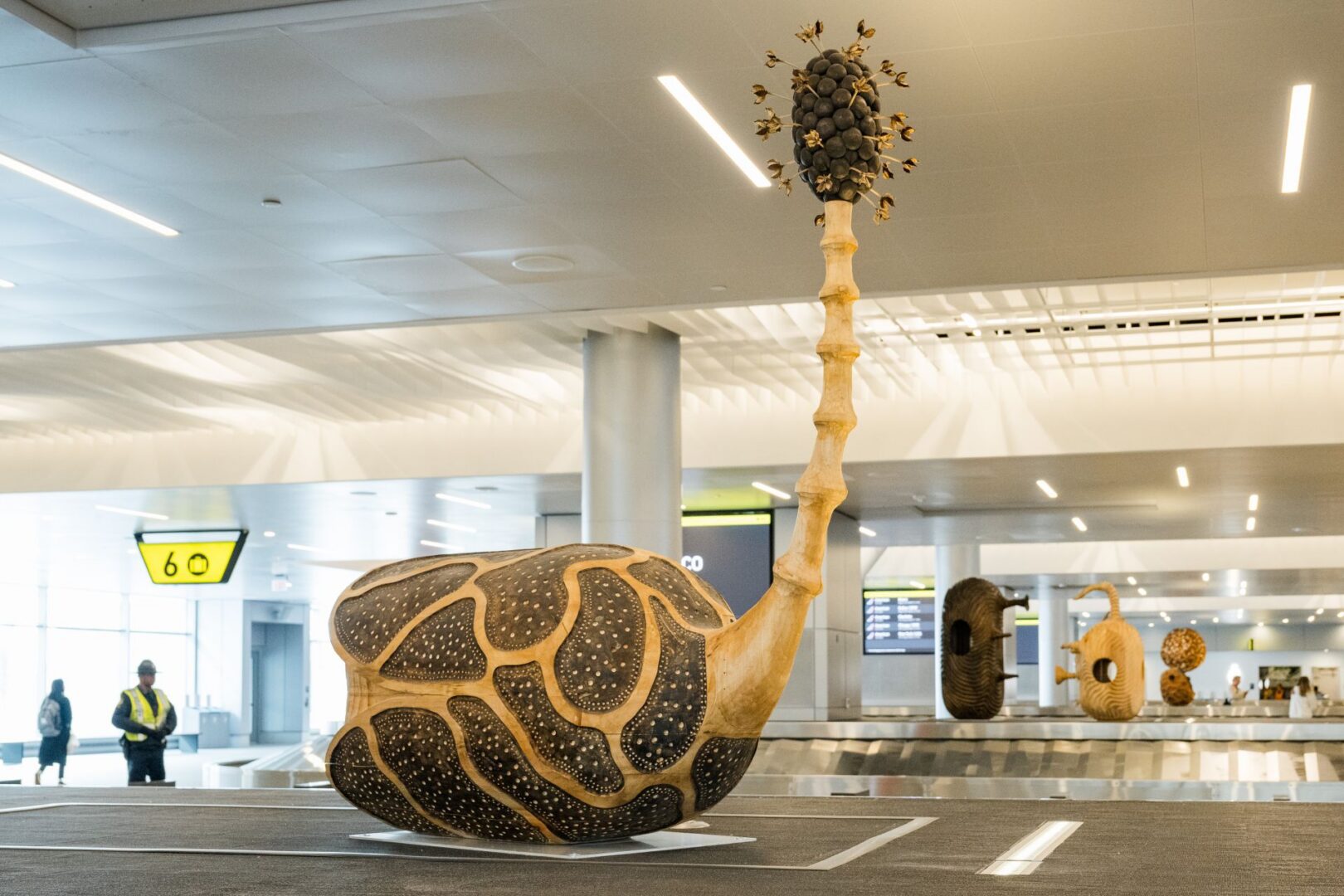
As the art world turns its attention to Pittsburgh for the 59th Carnegie International, May 3, 2026, to Jan. 3, 2027, centered at the Carnegie Museum of Art, Pittsburgh International Airport will serve as the region’s front door to art lovers from around the world.
The Carnegie International is one of the world’s most prestigious contemporary art exhibitions and the longest-running exhibition of international contemporary art in North America. It is organized by the Carnegie Museum of Art and was founded in 1896 by Andrew Carnegie.
The 59th Carnegie International, titled “If the word we,” features work by 61 artists from around the world and is often compared to the Venice Biennale, an event that brings global artists, curators, critics, collectors and visitors to the city while showcasing the most important ideas shaping contemporary art today.
For visitors arriving from around the world attending the show, PIT will welcome travelers with a reminder that the region’s cultural experience begins the moment they arrive at the airport. A venue that engages travelers not only as a transportation hub but as an exhibition itself—where art is accessible, engaging and woven into everyday travel.
Long known for incorporating art as an integral piece of the passenger journey, the airport serves as a fitting gateway to one of the oldest and most celebrated international contemporary art exhibitions in North America. That connection is perhaps best symbolized by “Pittsburgh,” a kinetic sculpture by Alexander Calder created for the 1958 Carnegie International that has been a landmark display at three different generations of Pittsburgh airport terminals since 1959.
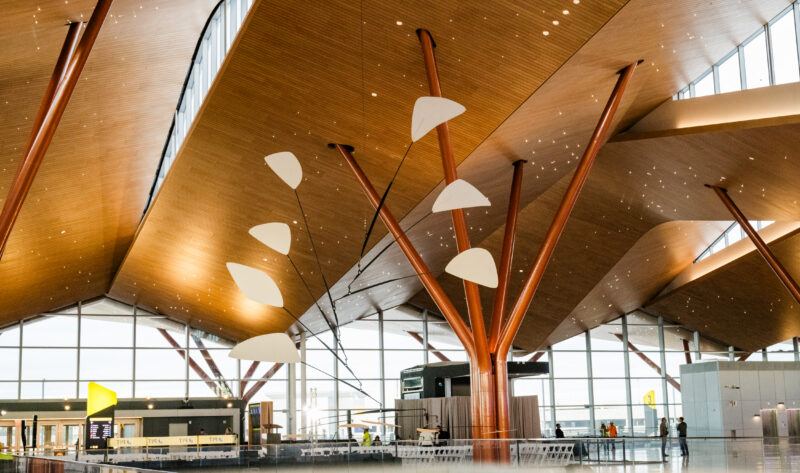
Created for the 1958 Carnegie International, the Alexander Calder Mobile has been a fixture at PIT since 1959. (Photo by Beth Hollerich)
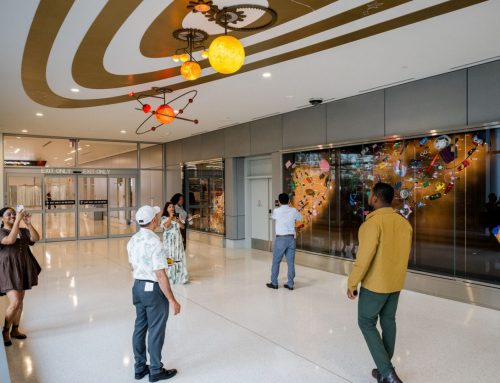
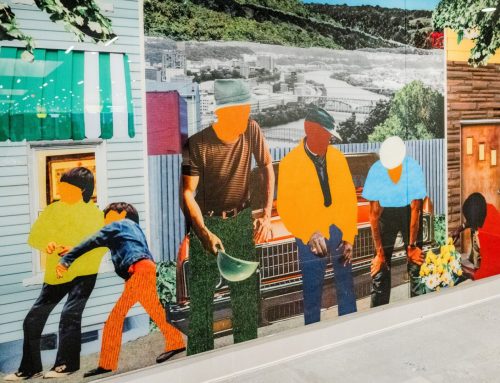
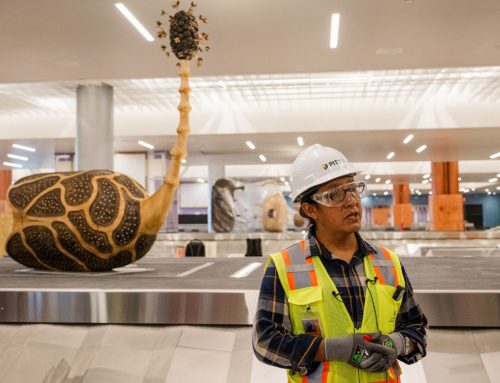
Further strengthening the airport’s artistic footprint in the region as part of the new terminal program, the airport commissioned artists to create new permanent works for its collection. The Art in the Airport program is thoughtfully distinct, offering work at 30 locations throughout PIT’s campus, most of which was created by artists from the Pittsburgh region.
“We chose artists who were able to come in from the community from 150 miles around Pittsburgh who have a good regional voice,” said Keny Marshall, PIT’s Arts and Culture manager.
The additions are part of a broader vision to ensure that art remains a central feature of the passenger experience as the airport evolves. From large-scale installations to curated exhibits, the expanded program reflects both the region’s industrial heritage and its forward-looking creative energy.
PIT has, by design, utilized local artists and artisans to build “Pittsburgh” into the airport—an airport built for Pittsburgh, by Pittsburgh and sharing a sense of the Pittsburgh region with all who may visit.
“This airport is Pittsburgh’s airport,” said PIT CEO Christina Cassotis. “When you land here, you’re going to feel like you’re home or you’re going to think, ‘Wow! I didn’t know that about Pittsburgh.’”
In addition to new work, the Art in the Airport program has reimagined its signage and website presence, giving travelers an easy and interactive way to explore the airport’s public art collection. At each art location viewers can read about the work as well as scan custom QR codes with their smartphones to access detailed information about each artist and artwork, including its location, background and significance.
This digital experience enhances wayfinding while inviting visitors to engage more deeply with the art on display, turning potentially lost time in the terminal into an opportunity for discovery and cultural connection.
With the Calder mobile overhead and new works lining the terminal, the airport demonstrates that the art experience begins before visitors even reach the museum doors.